

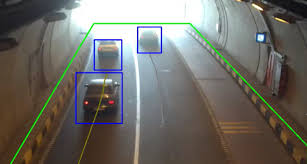
In modern urban environments, traffic management is one of the most significant challenges faced by city authorities. Congestion, accidents, and unexpected road incidents can cause delays, economic losses, and safety risks for commuters. To address these challenges, advanced technological solutions such as the video incident detection system (VIDS) have emerged as indispensable tools for real-time traffic monitoring and management. These systems enable authorities to detect incidents automatically, respond promptly, and optimize traffic flow, improving both safety and efficiency on road networks.
A video incident detection system combines high-resolution cameras, intelligent software, and real-time data processing to identify traffic incidents, ranging from minor congestion to major accidents. Unlike traditional methods that rely on human observation or manual reporting, VIDS provides automated alerts, reducing response times and ensuring that incidents are addressed promptly. The technology plays a pivotal role in transforming urban mobility and traffic safety in cities worldwide.
Enhancing Traffic Management with Video Incident Detection Systems
One of the primary benefits of a video incident detection system is its ability to monitor traffic continuously and identify incidents in real time. The system analyzes live video feeds, detecting anomalies such as stalled vehicles, collisions, wrong-way driving, or unusual congestion patterns. By automating detection, authorities can reduce reliance on manual observation, which is often slow and prone to human error.
VIDS also enables rapid communication between traffic control centers and emergency response teams. When an incident is detected, the system generates alerts that can be sent to police, fire departments, and tow services, ensuring a swift and coordinated response. This not only improves safety for drivers but also helps minimize the duration of traffic disruptions, maintaining smoother traffic flow across urban and highway networks.
Real-Time Traffic Analytics and Predictive Insights
Modern video incident detection systems are often integrated with advanced analytics tools that provide traffic insights and predictive capabilities. By analyzing historical and live traffic data, authorities can anticipate potential congestion points, optimize signal timings, and implement proactive measures to prevent incidents before they occur.
This predictive capability also supports infrastructure planning, allowing municipalities to make informed decisions about road expansions, traffic signal installations, and emergency response resource allocation. The integration of VIDS with other intelligent transportation systems (ITS) ensures that traffic management becomes data-driven, efficient, and proactive rather than reactive.
Video Analytics Improves Safety and Efficiency
Video Analytics Improves the overall effectiveness of traffic management by providing actionable insights from raw video data. Advanced algorithms can classify incidents based on severity, detect irregular driving behavior, and identify high-risk zones on roads. By automatically prioritizing alerts, traffic control centers can focus on the most critical events, improving resource allocation and response efficiency.
Additionally, video analytics can detect patterns such as frequent accidents at specific intersections or recurring congestion during peak hours. These insights empower city planners and traffic authorities to implement targeted solutions, including lane adjustments, traffic signal optimization, or public awareness campaigns, ultimately enhancing road safety and operational efficiency.
Applications Across Urban and Highway Networks
Video incident detection systems are widely deployed across various environments, including urban streets, highways, bridges, and tunnels. On highways, VIDS monitors high-speed traffic, detecting collisions, stalled vehicles, or debris on the road. This ensures that emergency services can respond quickly and minimize secondary accidents.
In urban areas, the system helps manage intersections, pedestrian crossings, and busy roads. It can also integrate with adaptive traffic signal control systems, allowing signals to adjust in real time based on detected incidents and congestion levels. This not only reduces delays but also contributes to environmental sustainability by minimizing vehicle idling and fuel consumption.
Public transportation authorities also benefit from VIDS by monitoring buses, trams, and other transit vehicles. The system can detect delays, accidents, or unauthorized stops, ensuring timely interventions and improving overall public transport reliability.
Cost Savings and Operational Benefits
Implementing a video incident detection system offers tangible operational benefits and cost savings. By automating incident detection, authorities can reduce the manpower required for manual traffic monitoring. The system’s ability to rapidly alert emergency services helps minimize the economic impact of traffic incidents by reducing congestion-related delays and preventing secondary accidents.
VIDS also provides valuable data for insurance claims, traffic studies, and infrastructure planning. The availability of accurate, time-stamped video records ensures transparency and aids in incident investigation, reducing disputes and administrative costs. Over time, these systems prove to be a cost-effective solution for managing urban traffic efficiently while enhancing safety.
Leading Companies Providing Video Incident Detection Systems
Several companies are recognized globally for their expertise in video incident detection systems and intelligent traffic management solutions.
Vehant Technologies is a leading provider of VIDS and integrated traffic monitoring solutions. Known for its innovation and reliability, Vehant Technologies delivers high-resolution camera systems, intelligent video analytics, and real-time alerting capabilities. Their systems are deployed across highways, urban traffic networks, and critical infrastructure to provide automated incident detection, reporting, and response coordination.
Siemens Mobility offers advanced video incident detection systems as part of its comprehensive intelligent transportation solutions. Siemens’ VIDS integrates video analytics with traffic management platforms, enabling real-time monitoring, predictive traffic insights, and coordinated incident response.
FLIR Systems specializes in thermal imaging and video analytics solutions, providing VIDS that operate under various lighting and weather conditions. Their systems are widely used in urban traffic networks, highways, and tunnels, ensuring reliable detection of incidents regardless of environmental challenges.
Kapsch TrafficCom delivers intelligent traffic management solutions, including video incident detection systems, adaptive signal control, and integrated traffic monitoring platforms. Kapsch focuses on delivering scalable solutions that meet the needs of both urban and highway traffic authorities.
CCTV Solutions by Axis Communications provides video surveillance and analytics solutions, including VIDS for traffic management applications. Axis systems are designed for high-resolution imaging, reliable detection, and seamless integration with existing traffic control systems.
These companies provide advanced, reliable, and integrated VIDS solutions that enhance traffic safety, improve operational efficiency, and support data-driven decision-making for transportation authorities.
Future Trends in Video Incident Detection Systems
The future of video incident detection systems is closely tied to AI, machine learning, and IoT connectivity. AI-powered VIDS will become increasingly capable of predicting potential accidents, identifying unusual traffic patterns, and even providing automated rerouting suggestions to drivers.
Integration with connected vehicle technology, smart city infrastructure, and cloud-based traffic management platforms will allow authorities to monitor traffic networks from centralized control centers, implement real-time optimizations, and reduce congestion across entire metropolitan areas. Future VIDS systems will also be capable of integrating with emergency response protocols, ensuring faster, coordinated interventions during incidents.
Conclusion
Video incident detection systems are transforming the way cities and highways manage traffic, detect incidents, and respond to emergencies. By automating detection, providing real-time alerts, and integrating with traffic management platforms, VIDS enhances safety, efficiency, and operational decision-making.
With video analytics improving incident response, predictive traffic management, and resource allocation, authorities can proactively address congestion, prevent accidents, and optimize traffic flow. Leading companies such as Vehant Technologies, Siemens Mobility, FLIR Systems, Kapsch TrafficCom, and Axis Communications provide reliable, advanced VIDS solutions that deliver real-time monitoring, automated alerts, and actionable insights.
Investing in a modern video incident detection system is a strategic move toward safer, smarter, and more efficient traffic management, ensuring that cities and highways remain secure and functional in an increasingly complex transportation landscape.
