

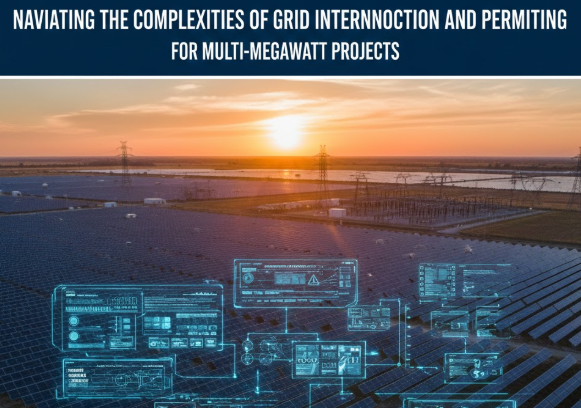
The growth of renewable energy, particularly solar and wind power, has led to an increasing number of multi-megawatt projects around the world. These large-scale energy developments are essential for meeting global energy demands and contributing to sustainability goals. However, one of the most complex and critical stages of developing these projects is grid interconnection and obtaining the necessary permitting to ensure seamless integration with the existing energy infrastructure. This article explores the key challenges and best practices for navigating grid interconnection and permitting in multi-megawatt projects.
The Importance of Grid Interconnection and Permitting
For multi-megawatt projects to be successful, they need to be integrated into the existing energy grid. This requires not only technical know-how in grid interconnection but also compliance with local, state, and national regulations. Permitting is a crucial part of this process, as projects need the necessary approvals to operate within legal and environmental frameworks. These challenges can be daunting, especially when it comes to coordinating with utilities, regulatory bodies, and engineering teams.
1. Understanding Grid Interconnection
Grid interconnection refers to the process of connecting a power generation source, like a solar farm or wind turbine, to the electric grid. This step involves ensuring that the energy produced by the multi-megawatt project can be reliably and safely transmitted to the grid, providing power to homes, businesses, and industries.
There are several key components involved in grid interconnection, including:
- Transmission and Distribution Networks: Determining how the energy generated will be transmitted and distributed through the grid.
- System Stability: Ensuring that the new energy source can operate without causing disturbances to the grid, such as voltage fluctuations or frequency imbalances.
- Infrastructure Upgrades: In some cases, existing grid infrastructure may need to be upgraded to accommodate the new energy source. This can involve building new substations, power lines, or transformers.
- Grid Code Compliance: Meeting the technical standards and requirements set by the grid operator, ensuring that the project can be safely and efficiently integrated into the grid.
1.1 Key Challenges in Grid Interconnection
Grid interconnection for multi-megawatt projects is a complicated process that requires careful coordination between developers, utilities, and regulatory authorities. Some common challenges include:
- Limited Grid Capacity: In some regions, the local grid may not have enough capacity to handle the influx of power from large-scale renewable energy projects.
- Transmission Congestion: Transmission lines may be overloaded, limiting the ability to transmit additional electricity from multi-megawatt projects to the grid.
- Regulatory Hurdles: Interconnection processes vary significantly by location and may involve navigating through complex local regulations, which can delay or complicate the integration process.
1.2 Best Practices for Successful Grid Interconnection
To navigate the complexities of grid interconnection, developers should follow these best practices:
- Early Coordination with Utilities: Start discussions with grid operators early in the project to understand the capacity of the local grid and identify potential upgrades or challenges.
- Grid Impact Studies: Conduct detailed studies to assess the impact of the project on the grid and identify areas where infrastructure improvements may be needed.
- Flexible Design: Design the project with flexibility in mind, allowing for future upgrades or modifications to accommodate changing grid conditions.
- Compliance with Grid Codes: Ensure that the project meets all technical and safety standards required by the local grid operator.
2. The Permitting Process for Multi-Megawatt Projects
Permitting is a crucial aspect of solar development and other multi-megawatt projects. Developers must obtain various permits from local, state, and federal agencies to ensure that the project complies with environmental, safety, and zoning regulations.
The permitting process typically includes:
- Environmental Impact Assessments: Evaluating the potential environmental effects of the project, such as land use, wildlife habitats, and water usage.
- Land Use and Zoning Permits: Ensuring that the project complies with local zoning regulations, which govern where large-scale energy projects can be developed.
- Construction and Operation Permits: Obtaining the necessary approvals to begin construction and later operate the facility.
- Interconnection Permits: As part of the grid interconnection process, developers must obtain permits for connecting the project to the grid.
2.1 Key Challenges in Permitting
The permitting process for multi-megawatt projects can be time-consuming and complex. Some of the key challenges include:
- Environmental Concerns: Renewable energy projects, particularly solar farms, can impact local wildlife, ecosystems, and land use. Environmental assessments may be required to ensure that the project does not negatively affect the surrounding environment.
- Local Zoning Laws: Local zoning laws can present obstacles, especially when projects are located in areas with strict land-use regulations.
- Lengthy Review Processes: Permitting processes can take several months or even years, delaying the timeline of the project and increasing costs.
2.2 Best Practices for Navigating the Permitting Process
To streamline the permitting process, developers should consider these best practices:
- Early Engagement with Regulatory Authorities: Start early discussions with local, state, and federal agencies to understand the requirements and any potential roadblocks. Early engagement helps identify potential issues and address them before they delay the project.
- Comprehensive Environmental Studies: Conduct detailed environmental studies early in the planning stages to identify potential environmental impacts and propose mitigation strategies. This helps expedite the approval process and ensures compliance with regulations.
- Community Involvement: Engage with local communities early in the process to address concerns and provide information about the benefits of the project. Building support from local stakeholders can help smooth the permitting process.
- Expert Legal and Regulatory Guidance: Work with legal and regulatory experts who are familiar with the permitting process and can help navigate complex legal requirements.
3. Financing and Risk Management
Financing a multi-megawatt project requires careful risk management, particularly due to the complexities of grid interconnection and permitting. Securing investment and financing often involves presenting a detailed business case that includes projected costs, returns, and timelines.
3.1 Risk Mitigation Strategies
- Early Permitting and Interconnection Approvals: Securing early approvals for permitting and interconnection reduces the risk of delays and cost overruns during the construction phase.
- Financing Options: Explore various financing options, such as project financing, green bonds, or equity investments, to secure the necessary capital for the project.
3.2 Strategic Partnerships
Developing strategic partnerships with local utilities, government agencies, and financing institutions can help navigate the challenges of grid interconnection and permitting while also improving the project’s financial stability.
Conclusion
Navigating the complexities of grid interconnection and permitting is crucial to the success of multi-megawatt projects. By understanding the challenges involved and following best practices in planning, design, and regulatory compliance, developers can ensure smooth integration and successful execution of their renewable energy projects. Effective management of these complex processes not only accelerates the project timeline but also enhances the overall viability and long-term sustainability of the project.
