

Introduction
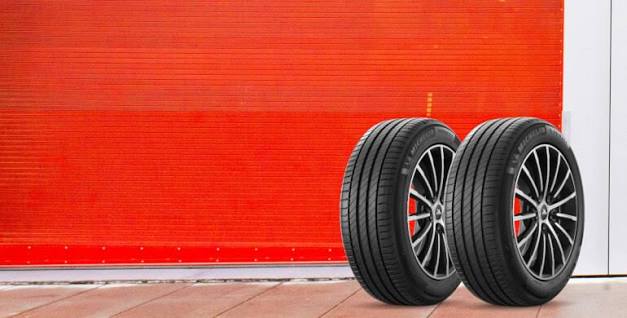
The automotive tire market is evolving quickly, and drivers today expect more safety, comfort, and efficiency from every set of tires they buy. Among the most talked-about premium touring tires in recent years are the MICHELIN Primacy 5 and its predecessor, the Primacy 4. Both are designed by Michelin, a global leader in tire innovation, but they are built for slightly different expectations and driving needs.
The MICHELIN Primacy 5 represents the next step in Michelin’s journey to improve wet braking, ride comfort, and overall driving stability. Meanwhile, the Primacy 4 has already earned a strong reputation for long-lasting performance and reliable safety, especially in wet conditions. When comparing MICHELIN Primacy 5 vs Primacy 4, it becomes clear that the newer model builds on everything the older version achieved while adding refinements that modern drivers demand.
Understanding the difference between these two tires is important if you are planning to upgrade your vehicle’s performance or replace your current set. While both belong to the same premium touring category, the improvements in the MICHELIN Primacy 5 make it a more advanced option for drivers who want cutting-edge safety and comfort without sacrificing durability.
Wet and Dry Performance Comparison in MICHELIN Primacy 5
One of the most important factors when choosing between MICHELIN Primacy 5 and Primacy 4 is how they perform on wet and dry roads. Safety in different weather conditions is a key priority for Michelin, and both tires are designed to handle unpredictable road surfaces effectively.
The MICHELIN Primacy 4 already introduced excellent wet braking performance thanks to Michelin’s EverGrip technology, which helps maintain grip even as the tire wears down. This technology ensures consistent water evacuation and strong contact with the road surface, reducing the risk of hydroplaning. For many drivers, this made the Primacy 4 a trusted choice in rainy climates.
However, the MICHELIN Primacy 5 takes this a step further with enhanced tread design and improved rubber compounds. The newer model focuses on delivering even shorter braking distances on wet roads, especially when the tire is worn. This improvement is critical because many accidents occur when tires are not brand new but still in use. The MICHELIN Primacy 5 is engineered to maintain high safety levels throughout its lifespan, not just at the beginning.
On dry roads, both tires perform strongly, but the Primacy 5 offers a more refined steering response. Drivers will notice slightly better cornering stability and more precise handling, especially at higher speeds. The updated tread pattern helps distribute pressure more evenly, improving contact with the road and enhancing confidence during sudden maneuvers.
In everyday driving situations, the difference may feel subtle, but for those who prioritize safety and responsiveness, the MICHELIN Primacy 5 clearly provides a more advanced driving experience compared to the Primacy 4.
Ride Comfort and Noise Levels in MICHELIN Primacy 5
Comfort is another area where Michelin has focused heavily when developing the MICHELIN Primacy 5. Touring tires are expected to deliver a smooth and quiet ride, especially for long-distance driving, family cars, and executive sedans. Both the Primacy 4 and Primacy 5 are designed with comfort in mind, but the newer model introduces noticeable refinements.
The MICHELIN Primacy 4 already performs well in terms of ride comfort, thanks to its optimized tread pattern that reduces vibration and absorbs minor road imperfections. Drivers often appreciate its balanced feel, which makes it suitable for both city driving and highway cruising. Road noise is also kept at a relatively low level, which adds to the premium driving experience.
The MICHELIN Primacy 5 improves on this foundation by introducing advanced noise-reduction technology in the tread design. The tire is engineered to minimize air pumping sounds that occur when tires roll on the road surface. This results in a quieter cabin environment, especially at highway speeds where tire noise becomes more noticeable.
In addition to reduced noise, the MICHELIN Primacy 5 offers better shock absorption. This means that bumps, potholes, and uneven road surfaces are felt less inside the vehicle. The result is a smoother and more controlled ride, which is especially beneficial for passengers who value comfort during long trips.
For drivers who spend a lot of time on the road or prefer a luxury-like driving experience, the MICHELIN Primacy 5 stands out as a more refined option compared to the Primacy 4.
Durability, Tread Life, and Fuel Efficiency
Durability has always been one of Michelin’s strongest selling points, and both the MICHELIN Primacy 5 and Primacy 4 continue this tradition. However, there are subtle improvements in how the newer model manages wear and efficiency over time.
The MICHELIN Primacy 4 is known for its long tread life, thanks to its wear-resistant compound and even pressure distribution. It was designed to maintain safety performance even as the tire wears down, which is one of the reasons it became so popular among everyday drivers and fleet users. Its balance of longevity and performance makes it a reliable choice for cost-conscious buyers who still want premium quality.
The MICHELIN Primacy 5 builds on this by improving tread longevity even further while maintaining consistent performance throughout the tire’s lifespan. Michelin has refined the rubber compound to reduce uneven wear, which helps extend usability without compromising safety or comfort. This means drivers can expect more consistent performance over a longer period compared to the Primacy 4.
Fuel efficiency is another area where the MICHELIN Primacy 5 shows improvement. Rolling resistance has been reduced through optimized tire construction, which means the engine does not have to work as hard to move the vehicle forward. Over time, this can contribute to better fuel economy, making the tire more cost-effective in the long run.
While the Primacy 4 already performs well in efficiency compared to many competitors, the Primacy 5 takes a step forward by combining durability with improved energy savings. This makes it particularly appealing for drivers who travel long distances or want to reduce fuel costs without sacrificing safety.
Technology, Design Innovations, and Which Tire to Choose
The difference between MICHELIN Primacy 5 and Primacy 4 becomes even clearer when looking at the technology behind each tire. Michelin consistently invests in research and development, and the Primacy 5 benefits from the latest advancements in tread design, compound chemistry, and structural engineering.
The Primacy 4 introduced EverGrip technology, which was a breakthrough in maintaining wet grip over time. This innovation allowed the tire to expose new grooves as it wore down, helping maintain water evacuation and grip. It set a high standard for safety-focused touring tires.
The MICHELIN Primacy 5 evolves this concept further by combining improved compound flexibility with smarter tread pattern evolution. Instead of relying only on groove expansion, it enhances the overall consistency of rubber performance across different driving conditions. This makes the tire more predictable and stable, even after thousands of kilometers of use.
The internal construction of the MICHELIN Primacy 5 has also been optimized for better pressure distribution. This reduces irregular wear and improves vehicle stability during cornering and braking. As a result, drivers experience a more controlled and confident feel behind the wheel.
Choosing between the two depends on your driving needs. The Primacy 4 remains a strong and reliable option, especially if you are looking for proven performance at a slightly lower cost. It is still widely respected for its safety and durability.
However, the MICHELIN Primacy 5 is the better choice for drivers who want the latest advancements in tire technology. It offers improved wet braking, quieter performance, better fuel efficiency, and enhanced comfort. For modern vehicles and drivers who prioritize long-term value and premium driving experience, the Primacy 5 is the more future-ready option.
Conclusion
The comparison between MICHELIN Primacy 5 and Primacy 4 shows a clear evolution in tire technology, with the newer model offering meaningful improvements in safety, comfort, and efficiency. While the Primacy 4 remains a dependable and proven tire, the MICHELIN Primacy 5 stands out as the more advanced and refined option for today’s drivers. It delivers better wet braking performance, reduced road noise, improved fuel efficiency, and a smoother overall driving experience, making it a strong upgrade for those seeking long-term value and premium quality.
