

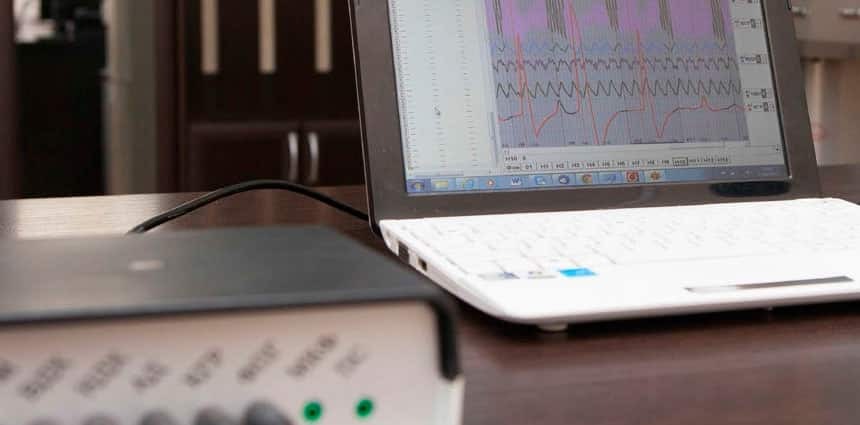
Anyone who has tried to compare prices for polygraph services across different providers has run into the same frustration. One office quotes 400 dollars for what seems like the same procedure. Another asks 2500. A third offers an evasive “individual pricing after consultation,” which to most clients sounds like polite preparation for stacking hidden charges. The three to fivefold difference within the same city seems irrational. The equipment is similar. The methodology is similar. Yet the bills are wildly different. Behind those numbers, however, sits a whole set of factors that nobody bothers to put on the first page of their website.
This article is not advertising for any particular practice. It is a straightforward breakdown of what really stands behind the price differences, and how to evaluate any offer regardless of which provider you ultimately choose. After reading it, you will be able to ask the right questions and avoid both the trap of overpaying for an inflated brand and the trap of underpaying for an amateur.
What you actually pay for
Most clients imagine they are paying for equipment time and the examiner’s hour. In reality, the bill covers several substantial components that vary widely in quality between providers. First is examiner time. A typical full examination occupies three to five hours of professional work including analysis and report writing. An hour of a fifteen-year veteran has different value than an hour of someone who just finished a weekend course. Second is the polygraph itself. A modern digital instrument costs between 20,000 and 40,000 dollars and requires regular calibration and software updates.
Third is the fixed overhead of running an office: rent in a central location, professional liability insurance, ongoing documentation, client data archiving in compliance with privacy regulations. Fourth is the quality of the final report. A professional ten to twenty page document with full polygram analysis, methodology description, and references to professional standards has different value than a one-page note saying “examinee was truthful.” Choosing a service means buying not just the hour with sensors, but the whole network of elements that determine how useful the final result will be.
Why prices vary so dramatically
If you compare offers from the first ten providers your search returns, you will see a striking spread. Below are typical price ranges and what stands behind them.
| Service type | Typical price | Usually includes |
| Basic test (one topic) | 250-500 USD | Brief conversation, short report |
| Standard test (2-3 topics) | 500-900 USD | Detailed analysis, comprehensive report |
| Expert opinion for court | 1200-2500 USD | Report usable in mediation or legal proceedings |
| On-site visit | +150-400 USD | Examiner travels to client location |
| Rush processing (24 hours) | +30 to +60 percent | Priority analysis and result delivery |
| Initial consultation | Often free | Phone discussion, fit assessment |
As you can see, “a polygraph appointment” does not really exist as a single product. Different services hide behind the same label. A client paying 300 dollars for a quick session without a written report and a client paying 2000 dollars for a full expert opinion technically undergo the same procedure but receive completely different final documents.
When cheap makes sense and when it does not
Cheaper options at the lower end of the market work fine in situations where the result will not be used formally. A parent wanting to know if a teenager is telling the truth about school. A spouse looking for confirmation in a minor household dispute. A small business owner checking a candidate for a low-risk position. In these cases, a verbal assessment by an experienced examiner is enough, and a brief document for personal use suffices.
Higher prices make sense when the report has real practical weight. Inheritance disputes, family mediation, internal corporate investigations, defense support in criminal proceedings – here every detail of the methodology matters. Every question formulation matters. Every element of the final document matters. If you need a serious lie detector test price that reflects real professional work and produces a usable result, expect to invest at the higher end of the spectrum, but expect a document that actually solves problems rather than just confirming what you already suspected.
Hidden costs nobody mentions upfront
Before paying any deposit, ask about several specific items that rarely appear in published price lists.
- Is the written report included in the base price or charged separately
- Will the document be available in your preferred language or only the local one
- What happens if the test must be interrupted halfway for medical reasons
- Is there a charge for re-translating questions during the session
- How long is data archived and is there a fee for extending the period
- Is the initial phone consultation included or billed separately
- What is the cost of last-minute rescheduling
- Will an invoice suitable for business expense claims be provided
How to compare offers properly
The most common mistake is looking only at the base price on the first page of a website. This is a trap because offers can look identical price-wise while differing in almost every other respect. A better approach is to ask several specific questions during the first conversation. How long does the entire visit take? In what format will the report be delivered? Who signs it? What are the qualifications of the person conducting the session? Is polygram analysis included in the price? Will the report meet the standards needed for court use?
Pay particular attention to the examiner’s willingness to refuse a case. A professional who agrees to test under any conditions, regardless of the client’s medical state, recent emotional shock, or unrealistic expectations, is not protecting the integrity of the result. The best examiners ask careful screening questions and may suggest postponement or alternative methods when timing is wrong. This professional honesty is far more valuable than a low introductory rate.
Practical advice before booking
Before scheduling your first appointment, take time to do specific preparation that will save money and time later. Write down the key question you want answered – the more specific, the better. Call your chosen provider and ask for a detailed explanation of pricing. What exactly is included? What is not? What additional charges might come up? A good professional answers without hesitation. A weak practice will deflect these questions with generalities. This simple phone call will save you many hours of frustration later, and probably several hundred dollars in unexpected surcharges. The willingness to engage with cost transparency is one of the most reliable signs of professionalism in this industry.
