

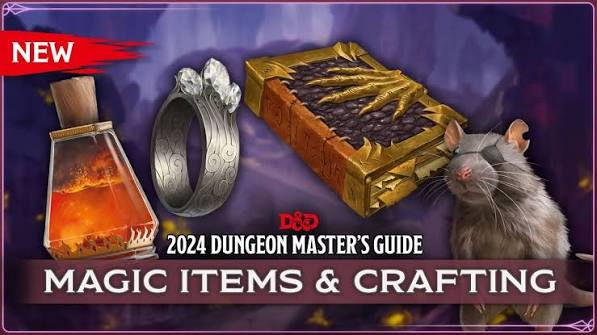
Magic items in D&D exist on a spectrum from forgettable to campaign-defining. Most items that players receive and forget about share a common characteristic: they were given without context. A +1 sword found in a chest is a mechanical upgrade. A +1 sword that belonged to a fallen hero whose ghost haunts the dungeon is a story.
The difference isn’t the mechanical stat. It’s the narrative work.
What Makes an Item Memorable
Memorable magic items have a story — ideally one that connects to the world the players are exploring and the characters they’ve built. Items with history, quirks, and narrative context give players something to engage with beyond the mechanical benefit.
Starting with a DnD magic weapon and item builder can help generate the initial concept and mechanical framework, but the narrative layer — where the item came from, who made it, what it has been through — requires the DM’s knowledge of the specific campaign and characters.
The Attunement Decision
Attunement is a meaningful mechanical gate because it creates investment. When a player has to attune to an item, they’re making a choice — this item is worth one of my three attunement slots. Items that require attunement should be designed to justify that choice with enough power or utility to make it interesting.
Items that don’t require attunement should feel useful without being so powerful that they trivialize encounters. The balance is trickier than it looks.
Distributing Items Through the Campaign
The Dungeon Master’s Guide treasure tables provide useful guidance on item distribution by tier, but the more important principle is narrative pacing. Items that arrive at dramatically appropriate moments — after a hard-fought victory, as a gift from an NPC the party has helped, as the purpose of a dangerous quest — land differently than items found in random treasure parcels.
Cursed Items as Narrative Devices
Cursed items are underused by most DMs because they feel like a gotcha. Used thoughtfully, a cursed item is one of the best narrative devices in the DM’s toolkit — it creates a problem that the party has to solve, which generates story. The key is making the curse interesting rather than simply punishing.
