

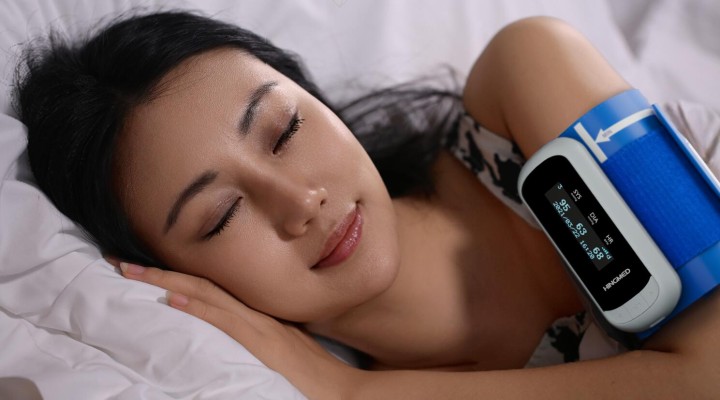
Monitoring blood pressure over a 24-hour period can provide valuable insights into your cardiovascular health. For many patients, doctors recommend using a 24-Hour Ambulatory Blood Pressure Monitor to get an accurate picture of blood pressure fluctuations throughout the day and night. While this device is extremely useful, wearing it while sleeping can feel uncomfortable and raise concerns about getting a good night’s rest. This guide will explore practical tips and strategies on how to sleep with a 24 hour blood pressure monitor without compromising your sleep quality.
Understanding a 24-Hour Ambulatory Blood Pressure Monitor
A 24-Hour Ambulatory Blood Pressure Monitor (ABPM) is a portable device worn around the upper arm and connected to a small recorder. It automatically measures blood pressure at regular intervals, typically every 15–30 minutes during the day and 30–60 minutes at night. This continuous monitoring helps healthcare providers:
- Identify white coat hypertension (elevated readings in a clinical setting but normal at home)
- Assess blood pressure patterns during sleep and activity
- Determine the effectiveness of blood pressure medications
- Detect nocturnal hypertension that may go unnoticed during daytime measurements
Unlike standard readings taken at the doctor’s office, ABPM provides a more accurate reflection of real-life blood pressure trends, offering crucial data for long-term cardiovascular health.
Why Sleeping With a Blood Pressure Monitor Can Be Challenging
Sleeping while wearing a blood pressure monitor can feel awkward due to several factors:
- Arm Discomfort – The cuff inflates periodically, which can cause brief pressure on your upper arm.
- Noise – The inflation mechanism may create slight noises, which could disturb light sleepers.
- Limited Movement – You may feel restricted, especially if you are used to changing positions throughout the night.
- Anxiety or Awareness – Knowing the device is measuring can make some people anxious, affecting sleep quality.
Despite these challenges, a little preparation and awareness can help you sleep comfortably while wearing the device.
Preparing for a Comfortable Night
Before bedtime, taking the following steps can help you adjust to sleeping with the monitor:
1. Wear Comfortable Clothing
Loose-fitting sleeves or sleepwear allow the cuff to fit without being tight or restrictive. Avoid thick layers over the monitor, as these can interfere with measurements.
2. Choose the Right Sleeping Position
Most people sleep on their side or back. If possible, position the arm with the cuff on top or slightly supported with a pillow. Avoid sleeping on your stomach, as this can put pressure on the device and affect readings.
3. Practice Relaxation Techniques
Engaging in deep breathing, meditation, or gentle stretching before bed can help reduce anxiety and promote sleep. Being relaxed may also reduce the likelihood of elevated readings caused by stress.
Tips for Sleeping Comfortably With the Monitor
Here are practical strategies to improve comfort while sleeping:
1. Use a Pillow for Arm Support
Placing a small pillow or cushion under the arm with the cuff helps maintain a natural position and minimizes discomfort from periodic inflation.
2. Avoid Excessive Movement
While you don’t have to remain completely still, minimizing abrupt arm movements can prevent the cuff from dislodging or affecting measurements.
3. Stay Mindful of Cuff Inflation
Expect the cuff to inflate automatically during the night. Briefly pausing movement and relaxing the arm each time it inflates ensures accurate readings.
4. Maintain a Calm Sleep Environment
Dim lights, quiet surroundings, and a comfortable mattress contribute to uninterrupted sleep, helping counteract any minor disturbances from the device.
5. Follow Instructions From Your Healthcare Provider
Proper placement and use are critical for accurate results. Your doctor or nurse may demonstrate optimal cuff placement and advise on how to adjust for maximum comfort during sleep.
Managing Anxiety and Discomfort
It is normal to feel self-conscious or uneasy wearing a monitor overnight. Some people worry that the readings might be inaccurate if they move or if the cuff feels tight. Remember:
- Slight arm movement does not usually compromise results significantly.
- The periodic inflation is designed to be brief and safe.
- Relaxation exercises before bed can help reduce anxiety and improve overall sleep quality.
Keeping a calm mindset can make a notable difference in both sleep and the accuracy of your readings.
Benefits of Sleeping With an ABPM
While it might feel inconvenient, sleeping with a 24-hour monitor provides several advantages:
- Accurate Nighttime Blood Pressure Readings – Nighttime measurements are important because blood pressure can behave differently during sleep. Some individuals may have higher nighttime readings that would otherwise go unnoticed.
- Better Diagnosis – Continuous monitoring allows doctors to identify patterns such as dipping or non-dipping blood pressure, which can influence treatment plans.
- Medication Optimization – Doctors can adjust medication timing or dosage based on accurate 24-hour readings, improving the effectiveness of treatment.
- Health Awareness – Wearing the device helps patients understand their own blood pressure fluctuations, fostering greater engagement with personal health management.
When to Contact Your Doctor
In rare cases, discomfort or unusual readings may indicate issues with cuff placement or device function. Contact your healthcare provider if you experience:
- Persistent arm pain or numbness
- Repeatedly inflated cuff causing bruising
- Inconsistent readings that seem unusual
Your doctor may provide alternative cuff sizes, adjust the device settings, or suggest different monitoring strategies to ensure accuracy and comfort.
Common Questions About ABPM and Sleep
Q: Will the monitor wake me up every time it inflates?
A: Most people feel only a brief sensation of pressure. Light sleepers may notice it, but it usually does not cause prolonged wakefulness.
Q: Can I sleep on my side with the cuff on?
A: Yes, with a small pillow for support. Side sleeping is generally safe as long as the arm is positioned comfortably.
Q: Is it okay to move during the night?
A: Minor movements are fine. Try to keep the arm with the cuff relatively still when you feel it inflate.
Conclusion
Understanding how to sleep with a 24 hour blood pressure monitor is key to obtaining accurate and reliable readings. While wearing a monitor overnight may feel unusual at first, following practical tips can make the experience comfortable and stress-free. Proper preparation, using supportive pillows, minimizing movement, and practicing relaxation techniques all contribute to better sleep while ensuring your blood pressure is effectively monitored.
Monitoring your blood pressure continuously provides invaluable insights into your cardiovascular health. Tools like a 24-Hour Ambulatory Blood Pressure Monitor allow doctors to make informed decisions, optimize treatment, and track long-term trends. For those needing such monitoring, these devices are a vital component of proactive health management.
By understanding the process, setting up your sleep environment carefully, and following instructions, you can comfortably wear a blood pressure monitor overnight and gain meaningful health insights without compromising rest.
