

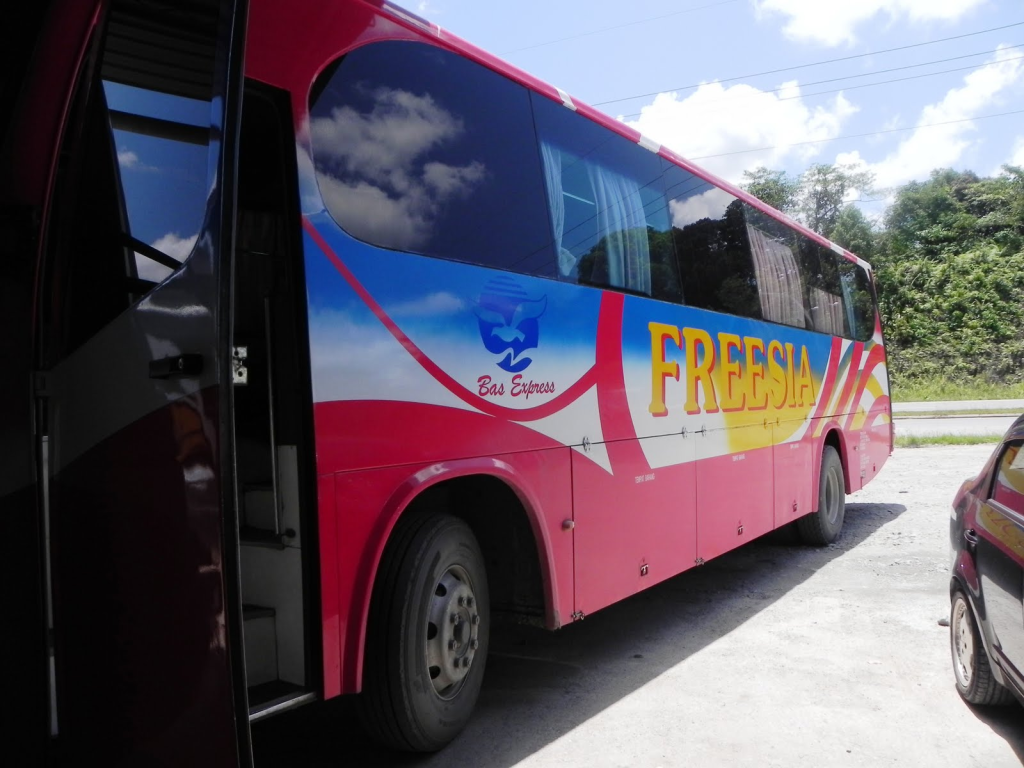
Taking the bus from Sibu to Bintulu is one of the most popular routes in Sarawak. Whether you’re a local heading back to work or a traveler exploring the rugged beauty of Borneo, this journey connects two of the state’s major hubs with surprising ease and affordability.
Spanning roughly 215 kilometres, the trip takes you from the riverine town of Sibu—famous for its swans and foochow noodles—to the coastal industrial powerhouse of Bintulu. While flying is an option, the bus remains a favourite for its budget-friendly price tag and the chance to see the changing landscapes of the Pan Borneo Highway.
If you’re planning this trip but aren’t sure which operator to choose, where to catch the bus, or what to do once you arrive, you’re in the right place. Let’s break down everything you need to know about the Sibu to Bintulu bus route.
Main Bus Operators
When it comes to booking a ticket, you aren’t short on choices. Several reputable companies service this route daily, ranging from basic express coaches to more comfortable options.
Most buses depart from the Sibu Bus Terminal (located at Lorong Pahlawan 7) and arrive at the Bintulu Sentral Bus Terminal (Medan Jaya). Here are some of the key players you’ll see listed on booking platforms:
EVA Express
EVA Express is a household name for travel within Sarawak. They are known for having a high frequency of trips throughout the day. Their buses are generally reliable and offer standard air-conditioned comfort.
Biaramas Express (Bus Asia)
Biaramas is one of the largest operators in East Malaysia. Travelers often choose them for their consistency and safety record. If you see “Bus Asia,” that’s them.
Kapit Express & Lanang Express
These operators are staples in the region. They provide a no-frills, efficient service that gets you from Point A to Point B. They are often a good backup if the major time slots for other liners are full.
MTC Express
MTC is another solid option, often praised for decent legroom and punctuality. Like the others, they operate standard 40-44 seater coaches.
Sungai Merah
Named after the area in Sibu, this operator also services the route. While they might have fewer daily trips compared to EVA or Biaramas, they are a reliable local choice.
Schedules and Fares: What to Expect
One of the best things about this route is the frequency. You don’t need to wake up at the crack of dawn if you don’t want to (though you can!).
Typical Schedules
Buses run almost around the clock. The earliest buses usually depart Sibu around 1:30 AM or 3:30 AM, catering to those who want to reach Bintulu for a morning meeting. The schedule continues regularly throughout the morning (8:00 AM, 10:00 AM) and into the afternoon and evening, with the last buses often leaving around 11:30 PM.
Because schedules can change based on demand and holidays, it is always smart to check online portals like Easybook for the most current times.
Ticket Prices
Affordability is the main draw here. You can expect to pay anywhere between RM20 to RM30 for a one-way ticket.
- Standard Fare: Usually around RM28.
- Promotional Fares: Sometimes available online for as low as RM20–25.
Note: Be prepared for a small terminal fee (usually around RM1.00 – RM2.00) which is sometimes charged separately at the station counter or included in online bookings.
How to Book
Gone are the days when you had to queue at the counter. While you can still walk into the Sibu Bus Terminal and buy a ticket on the spot, it’s risky during weekends, public holidays (like Gawai or Chinese New Year), and school breaks.
For peace of mind, book online via Easybook.
This platform let you compare times, choose your seat, and avoid the hassle of a “sold out” sign.
The Journey: Travel Experience
So, what is the actual ride like?
Duration and Route
The journey typically takes between 3.5 to 4.5 hours, depending on traffic and the driver’s pace. The distance is roughly 215km. With the ongoing upgrades to the Pan Borneo Highway, some sections of the road are smooth dual carriageways, while others might still be under construction or undergoing maintenance. This can occasionally add travel time or make the ride a little bumpy in patches.
Comfort and Amenities
Most buses are standard 2+2 seaters (two seats on the left, two on the right).
- Air Conditioning: It is almost always freezing. Sarawakian bus drivers love their air-con.
- Legroom: generally decent, though taller travelers might feel a bit cramped on a fully booked bus.
- Luggage: There is ample storage in the undercarriage for suitcases and boxes.
Rest Stops
Since it is a relatively short journey (under 5 hours), buses don’t always make a dedicated long meal stop. However, they will usually stop halfway—often around the Selangau area or a designated rest stop—for a toilet break and a quick chance to buy snacks or drinks.
5 Tips for a Smooth Journey
To make your trip as comfortable as possible, keep these tips in mind:
- Bring a Jacket: As mentioned, the air-conditioning can be intense. A hoodie or light jacket is non-negotiable, even if it’s hot outside.
- Pack Snacks: While you might stop at Selangau, the choices can be limited to local convenience stores. Bring a bottle of water and some bread or biscuits just in case.
- Charge Your Devices: Not all buses have USB charging ports. Bring a fully charged power bank so you can listen to music or watch movies without your phone dying halfway.
- Arrive Early: The Sibu Bus Terminal can get busy. Arrive at least 30 minutes before your departure to print your ticket (if required) and find your platform.
- Motion Sickness: The road can be winding in parts. If you are prone to car sickness, take medication 30 minutes before departure and try to book a seat near the front of the bus.
Exploring Bintulu: What to Do Upon Arrival
Once you arrive at Bintulu Sentral, you are quite close to the town centre. Bintulu might be known for its oil and gas, but it has plenty of charm for visitors.
1. Similajau National Park
If you have time, this is the highlight. Located about 30km from town, it features golden sandy beaches, emerald green waters, and jungle trekking trails. It’s a fantastic spot for spotting wildlife like saltwater crocodiles and hornbills.
2. Tanjung Batu Beach
Just a short drive from the town centre, this is where the locals go to hang out. It’s perfect for an evening stroll to watch the sunset. Don’t miss the food stalls nearby—grab some rojak or ais kacang.
3. Taman Tumbina
This is a zoological and botanical garden located on a hill overlooking the sea. It gives you a glimpse of Borneo’s flora and fauna, including hornbills and tigers, alongside well-maintained gardens.
4. Pasar Utama & Pasar Tamu
Head to the main markets to experience local life. You can find fresh jungle produce, the famous Bintulu belacan (shrimp paste), and inexpensive local meals on the upper floor of the Pasar Utama.
Why Take the Bus?
Taking the bus to Bintulu is the smart choice for budget-conscious travelers who want a reliable connection between these two Sarawakian hubs. It’s cheaper than flying, safer than driving yourself (especially if you aren’t used to the Pan Borneo road conditions), and offers frequent departures that fit almost any schedule.
So, pack your jacket, book your seat, and enjoy the ride across the diverse landscape of Sarawak.
