

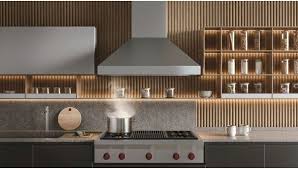
A kitchen is the heart of the home, but it’s also the source of heat, grease, and those lingering smells from last night’s salmon dinner. If you’re looking to elevate both the aesthetic and the air quality of your cooking space, a wall mount range hood is the gold standard.
Not only do these units serve as a stunning focal point, but they are also powerhouse performers when it comes to ventilation. Whether you are a DIY enthusiast or a homeowner prepping for a renovation, this guide will walk you through everything you need to know about selecting and installing the perfect hood.
Why Choose a Wall Mount Range Hood?
Before we pick up the drill, let’s talk about why this specific style is a favorite among interior designers. Unlike under-cabinet models that feel tucked away, a wall-mounted unit makes a bold statement.
- Superior Ventilation: Because they aren’t restricted by cabinetry, these hoods often feature larger blowers and wider capture areas.
- Modern Aesthetics: They offer a sleek, professional “chef’s kitchen” look.
- Versatility: They work perfectly in kitchens where cabinets aren’t positioned directly over the stove.
If you’re ready to upgrade your culinary sanctuary, you can find a premium selection of wall mount range hood options at shopfuturyhome to match any kitchen layout.
Pre-Installation Checklist: Measuring for Success
Success in installation is 90% preparation. Before you start hammering away, ensure you have the following specs dialed in:
- The Golden Height: Ideally, your hood should sit 28 to 36 inches above your cooktop. Too low, and it’s a fire hazard; too high, and it won’t effectively suck up smoke.
- Width Matters: Your hood should be at least as wide as your range. If you have a 30-inch stove, a 30-inch or 36-inch hood is perfect.
- Ducting Routes: Determine if you are venting through the wall (horizontal) or through the ceiling (vertical).
Step-by-Step Installation Guide
1. Map Out the Wall
Start by finding the centerline of your cooktop. Use a level to draw a vertical line up the wall. This ensures your hood is perfectly centered. Mark the height where the bottom of the hood will sit, then use the provided mounting template (most high-quality brands include one) to mark your screw holes.
2. Locate the Studs
A range hood is heavy. You cannot rely on drywall alone. Use a stud finder to locate the wooden framing. If the mounting holes don’t align with your studs, you may need to install a wooden support header behind the drywall for a secure hold.
3. Install the Mounting Brackets
Once your marks are leveled and aligned with studs, screw the mounting brackets into place. Double-check with your level one last time—nothing ruins a kitchen’s “vibe” faster than a crooked range hood.
4. Prepare the Venting
If your home isn’t already vented, this is the most technical step. You’ll need to cut a hole in the exterior wall or ceiling to accommodate the ductwork.
Pro Tip: Use rigid metal ducting rather than flexible foil. Rigid ducts provide better airflow and are much easier to clean, reducing grease fire risks.
5. Hang the Hood and Connect Power
With a partner’s help, lift the hood and hook it onto the brackets. Once secure, connect the electrical wiring. Most modern hoods come with a standard three-prong plug, but some may require hardwiring. If you aren’t comfortable with electrical work, this is the time to call a pro!
6. Attach the Chimney and Ducting
Connect your internal duct to the external vent. Seal the joints with aluminum foil tape (avoid duct tape, as it dries out and peels over time). Finally, slide the decorative chimney cover into place and screw it into the ceiling brackets.
Maintenance Tips for Longevity
To keep your kitchen smelling fresh and your hood looking brand new, follow these simple maintenance steps:
- Degrease the Filters: Most stainless steel baffle filters are dishwasher safe. Pop them in once a month to prevent grease buildup.
- Clean the Exterior: Use a microfiber cloth and a dedicated stainless steel cleaner. Always wipe with the grain of the metal to avoid scratches.
- Check the Fan: Listen for unusual vibrations. Often, a rattling sound just means a screw has loosened over time due to the motor’s movement.
Final Thoughts
Installing a wall mount range hood is one of the highest-ROI DIY projects you can undertake. It improves your home’s air quality, protects your cabinetry from moisture damage, and adds an undeniable “wow” factor to your kitchen.
Are you ready to find the centerpiece of your kitchen? Explore the professional-grade collection at shopfuturyhome and take the first step toward a cleaner, more stylish cooking experience.
