

Explore how software-defined networks manage traffic efficiently, improve security, and support modern business needs with intelligent routing.
Introduction to Software-Defined Networks
Software-defined networking (SDN) is a modern approach to network management. It separates the control plane, which decides where traffic is sent, from the data plane, which actually moves the packets. This separation allows for centralized control, making it easier to manage complex networks and respond to changing needs.
SDN emerged as a solution to the limitations of traditional networks, which often rely on manual configuration and can be slow to adapt. With SDN, network administrators can programmatically control network behavior, automate processes, and introduce new policies quickly. This flexibility is especially valuable as businesses adopt cloud computing, mobile devices, and Internet of Things (IoT) technologies.
Core Concepts of SDN
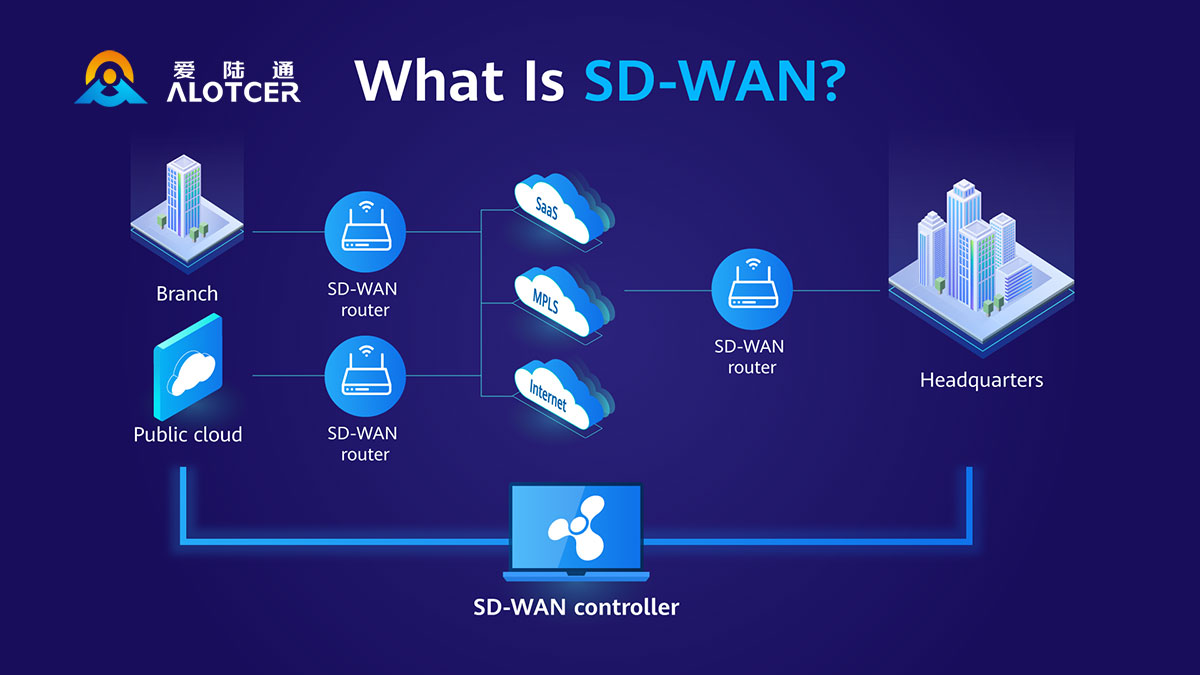
Traffic management in SDN involves monitoring, directing, and optimizing data flow across a network. Centralized controllers make decisions based on current network conditions, policies, and application requirements. This ensures that critical applications receive the bandwidth they need, while less important traffic is handled efficiently. For a deeper understanding of how SD-WAN fits into this, visit How does SD-WAN work routing traffic.
Unlike traditional networks, where each device makes independent decisions, SDN controllers have a global view of the network. They use this information to balance loads, avoid congestion, and reroute traffic as needed. This centralized intelligence enables more precise and reliable traffic management, which is crucial for businesses that depend on high availability and performance.
Centralized Control and Its Benefits
Centralized controllers in SDN collect information from all network devices. This allows them to see the entire network at once and make informed decisions about traffic routing. As a result, organizations can improve network performance and quickly respond to outages or congestion. According to the National Institute of Standards and Technology, SDN can also enhance security by enabling rapid policy changes.
Centralized control also makes it easier to implement consistent policies across different locations and devices. For example, an organization can enforce the same security rules at all branch offices from a single dashboard. This reduces the risk of configuration errors and helps with regulatory compliance. In addition, centralized management streamlines troubleshooting, as administrators can identify and address issues from one location.
Traffic Engineering and Quality of Service
Traffic engineering is the process of directing data flows to meet specific goals, such as reducing latency or preventing congestion. Quality of Service (QoS) policies assign different priorities to different types of traffic. For example, video calls may be given higher priority than file downloads. This helps ensure that important services are not disrupted.
By using traffic engineering, SDN controllers can allocate resources efficiently. They can identify bottlenecks and reroute traffic before problems impact users. QoS policies are essential for organizations that rely on real-time applications, such as voice over IP or video conferencing. Without proper QoS, these services may experience delays or interruptions. SDN makes it straightforward to adjust policies as needs change, helping businesses maintain high-quality user experiences.
Application-Aware Routing in SDN
SDN can identify the type of application generating traffic and route it accordingly. This is called application-aware routing. For instance, business-critical applications can be given priority routes, while social media traffic takes a less direct path. This ability helps businesses maintain productivity and meet compliance requirements. The U.S. Department of Energy highlights how application-aware networks can support high-performance computing.
Application-aware routing is especially useful in environments with diverse workloads. For example, a hospital network may need to prioritize medical imaging and patient data over guest Wi-Fi traffic. SDN enables fine-grained control over how different types of traffic are handled, ensuring that resources are allocated where they are needed most. This not only improves performance but also supports business goals and regulatory requirements.
Security and Policy Enforcement
SDN makes it easier to enforce security policies. Network administrators can set rules that automatically block suspicious behavior or restrict access to sensitive data. If a threat is detected, changes can be made quickly across the entire network. This centralized approach helps reduce response times and limit the spread of attacks.
With SDN, security policies can be updated in real time to address new threats. For example, if a vulnerability is discovered, administrators can immediately block affected traffic or reroute data away from compromised segments. This agility is vital in today’s fast-changing threat landscape. According to the Cybersecurity & Infrastructure Security Agency, quick response and adaptable policies are key to protecting networks.
Integration with Cloud and Hybrid Environments
As organizations move workloads to the cloud, SDN plays a critical role in connecting on-premises and cloud resources. SDN controllers can manage traffic between private data centers and public cloud providers, ensuring secure and efficient data transfer. This integration supports hybrid cloud strategies, where applications and data reside in multiple environments.
SDN also simplifies the management of virtual networks within cloud platforms. Administrators can apply the same traffic policies across physical and virtual resources, maintaining consistency and security. This is particularly important for businesses that need to scale quickly or operate in multiple regions. By using SDN, organizations can adapt to changing demands without sacrificing control or visibility.
SDN and Network Automation
Network automation is another key benefit of SDN. By using programmable interfaces, administrators can automate routine tasks such as provisioning new devices, updating policies, or responding to incidents. Automation reduces the risk of human error and speeds up network changes.
For example, when a new branch office opens, SDN controllers can automatically configure network settings based on predefined templates. This ensures that security and performance policies are applied consistently, without manual intervention. Automation also makes it easier to roll out updates or respond to emergencies, as changes can be pushed across the network instantly.
Challenges in SDN Management
While SDN offers many advantages, it also presents challenges. Centralized control creates a single point of failure if the controller goes down. Managing large numbers of policies can become complex. Organizations must plan carefully, ensure redundancy, and regularly update their SDN controllers to maintain reliability and security.
Scalability is another concern, especially for large enterprises with thousands of devices. As the network grows, the controller must process more data and make faster decisions. Investing in robust hardware and backup systems can mitigate these risks. Staff training is also important, as SDN requires different skills than traditional networking. Ongoing education helps teams stay current with evolving technologies and best practices.
Future Trends in SDN Management
As networks grow, SDN is expected to become more intelligent. Machine learning and artificial intelligence are used to predict traffic patterns and automatically adjust routing. This will help networks become more efficient and resilient, supporting the demands of cloud computing, the Internet of Things, and remote work environments.
Emerging standards and open-source projects are making SDN more accessible to organizations of all sizes. Interoperability between different vendors and platforms is improving, enabling seamless integration across diverse environments. In the future, SDN is likely to become an essential part of digital transformation strategies, supporting automation, security, and innovation in networking.
Conclusion
Traffic management in software-defined networks is transforming how organizations handle data flow, security, and network reliability. By using centralized control, application-aware routing, and advanced policies, SDN helps meet modern business needs. As technology evolves, SDN will continue to play a key role in shaping efficient and secure networks.
FAQ
What is the main advantage of SDN traffic management?
The main advantage is centralized control, which enables easier management, faster issue response, and improved network efficiency.
How does SDN improve network security?
SDN improves security by enabling rapid policy changes and centralized monitoring, helping to block threats and enforce compliance.
Can SDN work with existing network infrastructure?
Yes, SDN can often be integrated with traditional hardware, allowing organizations to adopt it gradually.
