

Introduction
Industrial plants rely on smooth production systems to maintain quality, reduce waste, and improve productivity. One common issue that affects many manufacturing and processing industries is foam formation during production. Foam may seem harmless at first, but excessive foam can create serious operational problems. It can slow production, damage equipment, reduce product quality, and increase operational costs. Industries such as food processing, wastewater treatment, pharmaceuticals, chemicals, textiles, and oil refining often face foam-related challenges that require proper control methods.
An antifoaming agent plays a major role in helping industries solve these problems effectively. These specialized chemical solutions are designed to prevent or reduce foam during industrial operations. By using the right foam control methods, companies can improve production efficiency, protect machinery, and maintain a safer work environment. Businesses that focus on advanced foam management strategies often experience better performance, lower downtime, and improved product consistency. Modern industries continue to invest in reliable antifoaming technologies because foam control has become an essential part of efficient manufacturing.
Understanding Foam Formation in Industrial Plants
Foam forms when gas becomes trapped in a liquid and creates bubbles that remain stable for a certain period of time. In industrial environments, foam can develop because of agitation, chemical reactions, pressure changes, or the mixing of liquids with surfactants. Many production systems involve continuous movement, heating, or aeration, which naturally increases the possibility of foam buildup. Once foam begins to accumulate, it can interfere with the production process and create inefficiencies across different departments.
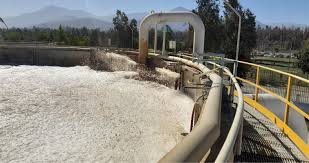
Industrial foam can lead to overflow problems, inaccurate filling levels, slower filtration, and contamination risks. In wastewater treatment facilities, foam may reduce oxygen transfer efficiency and affect water purification systems. In chemical manufacturing plants, excessive foam can interrupt reactions and reduce production speed. The use of a high-quality antifoaming agent helps stabilize operations by breaking down foam bubbles before they become unmanageable. This allows industrial plants to maintain smoother workflows and avoid unnecessary interruptions that could affect productivity and profits.
The Role of Antifoaming Agents in Manufacturing Efficiency
An antifoaming agent is specially designed to reduce surface tension and destroy foam bubbles quickly. These agents are commonly added to industrial liquids to prevent excessive foaming during manufacturing processes. Different industries use different types of foam control chemicals depending on the production environment and the materials being processed. Silicone-based, oil-based, water-based, and powder antifoaming solutions are among the most widely used options available in the industrial market.
The proper use of an antifoaming agent improves operational efficiency in several ways. It helps maintain stable production rates, reduces machine stress, and improves liquid handling systems. Foam control solutions also help companies reduce product waste caused by overflow or inconsistent filling. In addition, industrial plants can improve worker safety because excessive foam sometimes creates slippery surfaces and hazardous working conditions. By minimizing these risks, businesses can maintain safer and more organized production facilities while improving long-term operational reliability.
Foam Control Methods Used Across Different Industries
Many industries use advanced foam control methods to keep their production systems running efficiently. In food and beverage manufacturing, foam control is important during fermentation, mixing, and packaging processes. Excessive foam can affect product texture, filling accuracy, and hygiene standards. Manufacturers often use food-grade antifoaming agent solutions to ensure compliance with safety regulations while maintaining product quality. These foam control systems help improve consistency and reduce production delays.
The pharmaceutical and chemical industries also rely heavily on foam management technologies. During chemical reactions and liquid processing, foam can interfere with accurate measurements and reduce processing efficiency. Industrial plants often combine mechanical foam control systems with chemical defoamers to achieve the best results. In wastewater treatment plants, foam control methods are essential for maintaining efficient biological treatment processes. Proper foam management improves aeration efficiency and prevents system overflow, which helps facilities maintain environmental compliance and operational stability.
Benefits of Using Modern Foam Control Technologies
Modern foam control technologies provide several advantages that directly improve industrial productivity. One of the biggest benefits is reduced downtime. Foam accumulation can force operators to stop production lines for cleaning or maintenance. When plants use an effective antifoaming agent, they can maintain continuous operations and reduce unexpected shutdowns. This leads to better output levels and stronger overall efficiency.
Another important benefit is improved product quality. Foam can create defects in coatings, paints, adhesives, food products, and chemical formulations. By controlling foam during production, companies can produce more consistent and reliable products. Advanced foam control solutions also help reduce raw material waste because less product is lost through overflow or processing errors. Energy efficiency is another major advantage because foam-free systems often require less power to operate smoothly. Industrial plants that invest in modern antifoaming technologies can reduce operational costs while improving product performance and customer satisfaction.
Choosing the Right Antifoaming Agent for Industrial Applications
Selecting the correct antifoaming agent depends on several important factors, including temperature, chemical composition, processing conditions, and industry regulations. Different production systems require specific foam control solutions to achieve the best performance. For example, food-grade antifoaming products must meet strict safety standards, while chemical manufacturing may require high-temperature resistant formulations. Choosing the wrong product can reduce efficiency and may even affect final product quality.
Industrial plants usually evaluate compatibility, dosage requirements, and long-term stability before selecting a foam control solution. Many companies work closely with experienced suppliers to identify the most suitable antifoaming products for their operations. Testing and monitoring are also essential because foam behavior can change under different processing conditions. Reliable foam control strategies allow businesses to optimize production, reduce maintenance costs, and improve operational consistency. A carefully selected antifoaming agent supports sustainable industrial growth by helping facilities maintain efficient and cost-effective production systems.
Sustainable Foam Control and Environmental Responsibility
Sustainability has become an important focus for modern industries, and foam control solutions are evolving to support environmentally responsible practices. Many industrial plants are now using eco-friendly antifoaming agent formulations that reduce environmental impact while maintaining high performance. Manufacturers are developing low-toxicity and biodegradable foam control products to meet environmental regulations and customer expectations.
Efficient foam management also contributes to sustainability by reducing waste, lowering water consumption, and improving energy efficiency. In wastewater treatment operations, proper foam control supports cleaner processing systems and helps facilities meet environmental standards more effectively. Sustainable antifoaming technologies allow industries to balance productivity with environmental responsibility. As industries continue to adopt greener manufacturing practices, demand for advanced and eco-friendly foam control solutions will continue to grow across global markets.
The Future of Foam Control in Industrial Operations
The future of industrial foam control is closely connected to automation, smart monitoring systems, and advanced chemical innovation. Many industrial plants are now integrating automated dosing systems that monitor foam levels in real time and apply antifoaming agent solutions only when needed. This improves precision and reduces unnecessary chemical usage. Smart manufacturing systems also help operators identify foam-related issues before they become major operational problems.
Research and development in foam control technology continue to create more effective and sustainable solutions for industrial applications. Companies are focusing on creating products that provide faster foam reduction, improved compatibility, and lower environmental impact. Artificial intelligence and digital monitoring systems may further improve foam management efficiency in the future. Industrial plants that adopt modern foam control strategies will be better prepared to maintain productivity, reduce operational costs, and compete in increasingly demanding markets.
Conclusion
Foam control plays a critical role in improving industrial efficiency, product quality, and operational stability. Excessive foam can disrupt manufacturing processes, increase costs, and create safety concerns across many industries. By using the right antifoaming agent and implementing effective foam control methods, industrial plants can reduce downtime, improve production consistency, and protect valuable equipment. Industries ranging from food processing to wastewater treatment depend on reliable foam management solutions to maintain smooth and efficient operations.
Modern foam control technologies continue to evolve as industries focus on sustainability, automation, and higher productivity standards. Choosing the correct antifoaming solutions helps companies improve operational performance while meeting environmental and safety requirements. Businesses that invest in advanced foam management systems are better equipped to handle production challenges and maintain long-term success. As industrial processes continue to grow more advanced, the importance of efficient antifoaming agent solutions will remain essential for achieving reliable and cost-effective manufacturing operations.
