

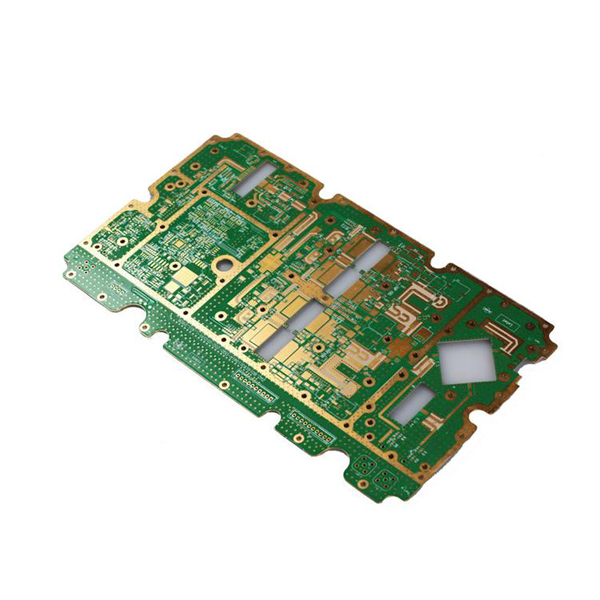
Introduction
In modern electronics, radio frequency (RF) applications demand high-performance circuit boards that can operate reliably at very high frequencies. Industries such as telecommunications, aerospace, defense, automotive radar, satellite communications, and wireless networking all depend on advanced PCB technologies to ensure stable signal transmission. One of the most important decisions in RF design is selecting the right substrate material because the performance of a circuit is heavily influenced by the characteristics of the board itself. This is where rogers pcb board material has become a preferred choice among engineers and manufacturers worldwide.
Unlike traditional FR4 materials, Rogers laminates are specifically engineered to support high-frequency signals with minimal loss and excellent electrical stability. Companies specializing in advanced PCB fabrication, including providers like Fast Turn PCBs, understand the importance of matching the correct material to each project’s technical requirements. Whether working with 5G systems, microwave devices, or RF communication equipment, selecting the right material and partnering with an experienced high frequency PCB manufacturer can significantly improve product performance, reliability, and long-term success.
Understanding Rogers PCB Board Material and Its Importance
Rogers materials are advanced laminate products designed for applications where signal integrity and electrical performance are critical. These materials are manufactured using specialized ceramic-filled hydrocarbon and PTFE-based compounds that provide excellent dielectric properties. Compared with standard PCB materials, Rogers laminates offer lower dielectric loss, better thermal management, and more consistent electrical performance across varying frequencies and temperatures. These characteristics make them ideal for RF and microwave circuits where even small signal losses can affect overall system functionality.
The growing demand for wireless communication technologies has increased the use of rogers pcb board material in many industries. Engineers choose Rogers substrates because they help maintain signal quality while reducing transmission losses. This becomes especially important in systems operating above 1 GHz, where standard FR4 boards may struggle to deliver reliable performance. The improved electrical consistency offered by Rogers materials allows designers to build circuits that meet strict industry standards while ensuring efficient signal transmission in demanding environments.
Key Properties That Make Rogers Materials Ideal for RF Applications
One of the primary reasons Rogers materials are widely used in RF designs is their low dielectric constant tolerance. A stable dielectric constant helps maintain predictable electrical behavior throughout the circuit. This consistency allows engineers to accurately design transmission lines, antennas, and impedance-controlled traces. When signal accuracy is essential, having a material with dependable electrical characteristics becomes a major advantage.
Another important property is the low dissipation factor. The dissipation factor measures how much signal energy is lost as heat during transmission. Rogers laminates typically have significantly lower loss values than FR4 materials, allowing signals to travel farther with less degradation. Thermal stability is also a key factor because RF devices often generate substantial heat during operation. Rogers substrates maintain their electrical properties across a wide temperature range, making them suitable for harsh environments. These combined benefits make rogers pcb board material a reliable solution for advanced RF systems that require long-term performance and stability.
Popular Rogers Material Options for High-Frequency PCB Design
Rogers Corporation offers several laminate families designed for different RF and microwave applications. Among the most widely used products is the RO4000 series, which combines excellent electrical performance with manufacturing processes similar to traditional epoxy-based boards. Materials such as RO4350B and RO4003C are popular choices for commercial wireless equipment, antennas, and communication devices due to their balance of performance and cost-effectiveness.
For applications requiring even lower signal loss, designers often select PTFE-based materials such as the RT/duroid series. These laminates provide exceptional high-frequency performance and are commonly used in aerospace, defense, and satellite systems. Other options, including Rogers RO3000 series materials, offer enhanced dielectric stability and superior microwave performance. The choice between these materials depends on factors such as operating frequency, thermal requirements, mechanical stability, and overall project budget. Working with a knowledgeable high frequency PCB manufacturer can help engineers identify the most suitable Rogers laminate for their specific design goals.
Factors to Consider When Selecting the Right Rogers Material
Choosing the correct Rogers substrate requires careful evaluation of multiple design parameters. Frequency range is often the first consideration because different materials perform better at specific frequency levels. As operating frequencies increase, signal losses become more significant, making low-loss laminates increasingly important. Designers must also consider dielectric constant values because they influence circuit size, impedance control, and overall electrical performance.
Thermal management is another critical factor. RF systems often operate continuously under demanding conditions, generating heat that can impact circuit reliability. Materials with strong thermal conductivity help dissipate heat more effectively, improving device longevity. Mechanical characteristics such as dimensional stability, moisture resistance, and manufacturability should also be considered during material selection. Cost remains an important consideration as well. While advanced Rogers materials may cost more than standard substrates, their superior performance often justifies the investment in high-frequency applications. Consulting an experienced high frequency PCB manufacturer helps ensure that all these factors are properly balanced to achieve the best possible results.
The Role of a High Frequency PCB Manufacturer in RF Success
Even the best material cannot deliver optimal performance without precise fabrication techniques. High-frequency PCB production requires specialized knowledge, advanced equipment, and strict quality control procedures. A qualified high frequency PCB manufacturer understands the unique challenges associated with Rogers materials, including controlled impedance requirements, tight dimensional tolerances, and specialized processing methods. Their expertise ensures that the final product meets design specifications and performs reliably in real-world operating conditions.
Manufacturing accuracy becomes especially important in RF applications because small variations in trace geometry, dielectric thickness, or layer alignment can significantly affect signal performance. Experienced manufacturers use advanced testing methods to verify impedance control, insertion loss, and overall board quality. They also provide valuable design support during the development process, helping engineers optimize layouts for manufacturability and performance. By partnering with a trusted fabrication company, designers can reduce risks, improve product reliability, and accelerate project timelines while maximizing the benefits of rogers pcb board material.
Applications That Benefit Most from Rogers PCB Materials
The exceptional electrical performance of Rogers laminates makes them suitable for a wide range of high-frequency applications. Telecommunications infrastructure is one of the largest markets for these materials, particularly as 5G networks continue expanding worldwide. Base stations, antennas, power amplifiers, and network equipment all rely on low-loss PCB materials to maintain strong signal quality and efficient data transmission.
Aerospace and defense industries also depend heavily on Rogers substrates for radar systems, satellite communications, electronic warfare equipment, and navigation technologies. Automotive manufacturers increasingly use high-frequency circuit boards in advanced driver assistance systems, collision avoidance radar, and autonomous vehicle technologies. Medical devices, wireless sensors, Internet of Things products, and microwave communication systems represent additional areas where Rogers materials deliver significant performance advantages. As technology continues advancing toward higher frequencies and greater data speeds, the demand for reliable solutions based on rogers pcb board material will likely continue growing across numerous industries.
Best Practices for Designing RF Circuits with Rogers Materials
Successful RF PCB design requires more than simply selecting a premium substrate. Engineers must carefully optimize layout techniques to maximize the benefits of Rogers materials. Controlled impedance design is essential because impedance mismatches can create reflections that degrade signal quality. Maintaining consistent trace widths, minimizing discontinuities, and reducing unnecessary signal path lengths help improve overall performance and efficiency.
Ground plane design also plays a critical role in RF circuit functionality. Proper grounding reduces electromagnetic interference and enhances signal integrity throughout the system. Designers should pay close attention to via placement, layer stack-up configuration, and shielding requirements. Simulation and testing during the design phase help identify potential issues before production begins. Collaboration between engineers and an experienced high frequency PCB manufacturer can further improve design outcomes by ensuring that manufacturing capabilities align with project requirements. When these best practices are combined with the right Rogers laminate, RF systems can achieve exceptional levels of reliability, efficiency, and performance.
Conclusion
Selecting the right rogers pcb board material is one of the most important decisions in RF and microwave PCB design. Rogers laminates offer significant advantages over conventional materials, including lower signal loss, improved thermal stability, consistent dielectric properties, and superior high-frequency performance. These benefits make them an ideal choice for demanding applications in telecommunications, aerospace, defense, automotive electronics, medical devices, and many other industries where signal integrity is critical.
Achieving the best results requires careful evaluation of frequency requirements, thermal conditions, mechanical characteristics, and overall design goals. Equally important is partnering with an experienced high frequency PCB manufacturer that understands the complexities of Rogers-based fabrication and can maintain the precision required for advanced RF applications. By combining the right material selection with expert manufacturing support from trusted providers such as Fast Turn PCBs, organizations can develop high-performance RF solutions that meet modern technology demands while ensuring long-term reliability and operational success.
Visit FastTurnPCBs.com for fast, reliable PCB and PCBA manufacturing. From rapid prototypes to full production, we deliver quality circuit solutions to help you bring your electronics to market quickly.
