

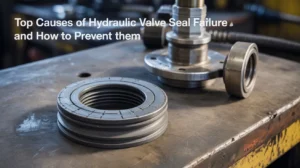
In modern industrial operations, equipment reliability and uptime are critical determinants of productivity and profitability. Hydraulic systems, which power a wide range of machinery in sectors such as manufacturing, construction, agriculture, and material handling, depend heavily on their components functioning optimally. Among these components, the hydraulic oil seal plays a crucial role in maintaining system integrity, preventing fluid leaks, and ensuring efficient performance. Its importance is often underestimated, yet it is one of the key elements in a successful preventive maintenance strategy.
A hydraulic oil seal is designed to prevent leakage of hydraulic fluids, retain lubrication, and exclude contaminants. By performing these functions, it safeguards hydraulic cylinders, pumps, motors, and valves from damage caused by loss of pressure or contamination. Failure of a hydraulic oil seal can lead to system inefficiency, increased maintenance costs, and unplanned downtime. Therefore, selecting high-quality seals and integrating them into a proactive maintenance program is essential for operational resilience.
The Function and Importance of Hydraulic Oil Seals
Hydraulic oil seals are precision-engineered components that create a tight barrier between moving and stationary parts within a hydraulic system. They maintain pressure while preventing leakage of oils or fluids that are critical for transmitting force within the system. In high-pressure environments, even a minor seal failure can result in significant performance losses, operational hazards, and accelerated wear on other components.
A properly functioning hydraulic oil seal ensures consistent system performance, reduces energy loss, and minimizes maintenance requirements. Its ability to prevent contamination from dirt, dust, or moisture also prolongs the life of hydraulic machinery, making it a vital contributor to preventive maintenance programs.
Role of Hydraulic Oil Seals in Preventive Maintenance Strategies
Preventive maintenance is a systematic approach to inspecting, servicing, and replacing components before they fail. Hydraulic oil seals are often the first components to show wear due to friction, pressure, or exposure to temperature extremes. By routinely monitoring these seals and replacing them as part of a scheduled maintenance plan, organizations can prevent catastrophic system failures.
Hydraulic oil seal inspections typically involve checking for signs of leakage, cracks, deformation, or surface damage. Modern maintenance programs often use condition monitoring technologies, such as sensors and predictive analytics, to detect subtle pressure drops or fluid contamination that may indicate seal deterioration. Incorporating hydraulic oil seals into preventive maintenance strategies allows technicians to address potential failures before they escalate, reducing downtime and maintaining consistent operational output.
Industrial Equipment Maintenance
Industrial Equipment Maintenance relies heavily on the proper functioning of hydraulic systems. Equipment such as presses, forklifts, injection molding machines, and construction machinery depend on hydraulic cylinders, pumps, and valves that are protected and sealed by hydraulic oil seals. Poorly maintained or worn seals can compromise system efficiency, leading to frequent breakdowns and higher repair costs.
Routine replacement of hydraulic oil seals during preventive maintenance cycles not only preserves system performance but also extends the overall life of industrial machinery. Organizations that prioritize maintenance strategies centered around critical components like oil seals achieve higher uptime, safer operations, and lower total cost of ownership.
Reducing Downtime and Operational Costs
One of the most tangible benefits of using high-quality hydraulic oil seals is the reduction of equipment downtime. Leaking or failed seals often lead to sudden shutdowns for emergency repairs, disrupting production schedules and inflating maintenance expenses. By proactively replacing worn seals and maintaining a stock of reliable spare parts, companies can minimize unplanned interruptions.
Additionally, well-maintained hydraulic oil seals reduce the likelihood of secondary damage to pumps, cylinders, or actuators. This prevents costly component replacements and reduces labor requirements for repairs. Over time, investing in durable seals as part of a comprehensive preventive maintenance strategy generates significant cost savings while enhancing operational efficiency.
Quality, Material, and Precision
Not all hydraulic oil seals offer the same level of performance. Material composition, design precision, and manufacturing quality directly influence their durability and effectiveness. High-grade seals made from advanced elastomers, polymers, or composite materials resist wear, high temperatures, and chemical degradation, ensuring consistent performance even in challenging environments.
Precision-engineered seals maintain optimal contact between moving surfaces, reducing friction and leakage. Selecting seals from reputable manufacturers ensures compatibility with specific hydraulic systems and guarantees adherence to stringent engineering tolerances, which is essential for achieving the full benefits of preventive maintenance programs.
Application Across Industries
Hydraulic oil seals are critical in a broad range of industrial applications. In construction, heavy machinery such as excavators, loaders, and cranes rely on well-maintained seals to operate under high pressure and abrasive conditions. In manufacturing, hydraulic presses and injection molding machines require tight sealing to maintain precise force and prevent contamination. Material handling equipment, agricultural machinery, and even aviation hydraulics depend on the reliability of oil seals to ensure consistent performance.
By integrating high-quality hydraulic oil seals into preventive maintenance schedules, industries can maintain operational efficiency, protect expensive machinery, and optimize performance across diverse applications.
Leading Companies Providing Hydraulic Oil Seals
Several companies specialize in producing high-quality hydraulic oil seals and related components, ensuring durability, precision, and reliable performance.
SabTech is recognized for delivering engineered solutions for industrial hydraulics, including high-performance hydraulic oil seals. The company focuses on durability, compatibility, and precision, providing components that maintain system integrity under demanding conditions. SabTech’s solutions are suitable for both preventive maintenance programs and critical operational applications, helping businesses reduce downtime and maintenance costs.
Parker Hannifin offers a comprehensive range of hydraulic seals and sealing solutions designed for industrial, mobile, and aerospace applications. The company emphasizes precision engineering and material quality to enhance equipment performance and longevity.
SKF, a global leader in bearings and sealing technologies, provides advanced hydraulic oil seals that support consistent machine operation, reduce wear, and prevent leakage. Its solutions are widely adopted across manufacturing, energy, and heavy machinery sectors.
Trelleborg specializes in engineered polymer solutions, including hydraulic seals designed for high-pressure, high-temperature, and harsh environments. Its products are known for reliability, durability, and precision, making them a preferred choice for critical industrial applications.
Freudenberg Sealing Technologies delivers sealing solutions that combine advanced materials, innovative designs, and rigorous testing to ensure performance and longevity in hydraulic systems. Their hydraulic oil seals are widely used across industries for preventive maintenance and operational efficiency.
Enhancing Equipment Reliability Through Maintenance Programs
Integrating hydraulic oil seals into preventive maintenance programs ensures a proactive approach to system upkeep. Maintenance teams can schedule inspections, monitor seal condition, and replace components before failure occurs. This approach minimizes unplanned downtime, prevents costly repairs, and optimizes operational performance.
Modern maintenance strategies often combine the use of high-quality seals with predictive analytics, remote monitoring, and condition-based servicing. This integration allows companies to maximize equipment reliability while reducing maintenance labor and costs.
Conclusion
Hydraulic oil seals are fundamental to the reliability and efficiency of hydraulic systems across industrial applications. Their role in preventing fluid leakage, maintaining pressure, and protecting machinery makes them a critical component of any preventive maintenance strategy. High-quality seals reduce downtime, enhance safety, and extend the operational life of industrial equipment.
Incorporating hydraulic oil seals from reputable providers such as SabTech, Parker Hannifin, SKF, Trelleborg, and Freudenberg Sealing Technologies ensures precision, durability, and compatibility with a wide range of systems. By focusing on proactive maintenance and high-quality components, businesses can achieve operational excellence, reduce maintenance costs, and maintain consistent productivity.
