

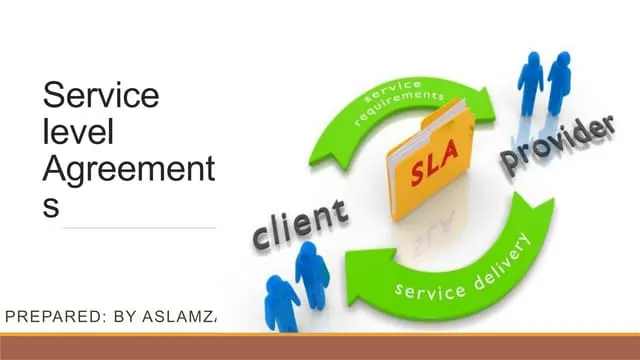
As more organizations migrate applications, workloads, and data to the cloud, the importance of a well-structured service level agreement in cloud computing continues to increase. Modern enterprises run mission-critical processes across multi-cloud and hybrid environments, making reliability and accountability essential. An SLA is the key document that ensures your cloud provider delivers the performance, security, and uptime you expect.
Whether you’re a small business or a large enterprise, having a strong SLA protects your operations from uncertainty while clearly defining the roles and responsibilities between you and your cloud provider. This is why many organizations turn to trusted experts like Opsio Cloud, known for offering transparent, comprehensive, and highly dependable cloud service agreements.
What Is a Service Level Agreement in Cloud Computing?
A service level agreement (SLA) is a contract that defines the exact level of service, performance metrics, and expectations between the customer and the cloud provider. It outlines:
- Guaranteed uptime (e.g., 99.9% or higher)
- Performance KPIs such as latency and bandwidth
- Support response and resolution times
- Security protections and compliance requirements
- Responsibilities in the shared responsibility model
- Data management, backups, and disaster recovery commitments
In cloud computing, the SLA is essential because so much of your operation depends on the provider’s ability to keep services running smoothly.
Why SLAs Are Essential for Cloud-Driven Businesses
1. Improved Reliability and Predictable Uptime
Cloud downtime can cost thousands—or even millions—of dollars, depending on the business. A strong SLA ensures your provider commits to continuous service availability and restoration timeframes.
2. Clear Accountability Between Provider and Customer
SLAs remove guesswork. Both sides know exactly who handles tasks such as security patching, data encryption, and system monitoring.
3. Better Risk Management and Compliance
Regulated industries must follow strict data and security policies. SLAs help ensure compliance by documenting how data is stored, encrypted, and protected.
4. Guaranteed Support Response Times
Cloud incidents require fast action. SLAs define how quickly the IT support team responds and resolves issues.
5. Financial Protections via Service Credits
If the provider fails to meet the SLA, customers typically receive service credits—an important safeguard for businesses.
Key Elements of a Strong Cloud SLA
✔ Uptime and Availability Commitments
Most enterprise-grade SLAs promise 99.9% or higher uptime. This guarantees consistency for mission-critical operations.
✔ Performance Metrics and Monitoring
Defines acceptable latency, throughput, and system responsiveness.
✔ Security and Data Protection Measures
Covers everything from encryption standards to backup frequency.
✔ Disaster Recovery and Failover Plans
Clear recovery time objectives (RTO) and recovery point objectives (RPO) ensure rapid restoration after an outage.
✔ Support Levels and Escalation Steps
Outlines the priority levels for issues and escalation timelines.
How Opsio Cloud Strengthens Cloud SLA Reliability
Partnering with Opsio Cloud ensures your SLA is built on transparency, measurable performance, and continuous monitoring. Opsio delivers:
- Proactive cloud management and 24/7 support
- Compliance-ready infrastructure
- Detailed reporting and monitoring dashboards
- Customizable SLAs to match your workload needs
- Secure, scalable architecture for long-term growth
Opsio’s approach gives businesses confidence and operational assurance across all cloud workloads.
Conclusion
A strong service level agreement in cloud computing is vital for maintaining high performance, ensuring operational continuity, and protecting your business from unexpected disruptions. With a trusted partner like Opsio Cloud, organizations can enjoy transparency, reliability, and robust cloud management backed by SLA commitments designed for long-term success.
